
Istanbul is a city unlike any other, stretching across two continents and shaped by thousands of years of history. Ancient mosques, bustling bazaars, and modern neighborhoods coexist in a way that feels both vibrant and timeless. Visitors often find themselves navigating busy streets, ferry crossings, and long sightseeing days, making preparation important. Many travelers rely on everyday travel essentials purchased ahead of time, sometimes even from a trusted lunch box store, to stay organized while exploring Istanbul’s energetic pace.
For travelers interested in culture, food, and urban exploration, Istanbul offers an endlessly fascinating city break.
Understanding Istanbul’s Layout
Istanbul is large and complex, but understanding its main districts makes exploration much easier.
- Sultanahmet for historic landmarks
- Beyoğlu for modern culture and nightlife
- Kadıköy for local life on the Asian side
- The Bosphorus for scenic waterfront areas
Focusing on one area per day helps avoid exhaustion.
Historic Sights You Should Prioritize
Istanbul’s history spans empires, religions, and centuries, reflected in its architecture and monuments.
- Hagia Sophia for its layered history
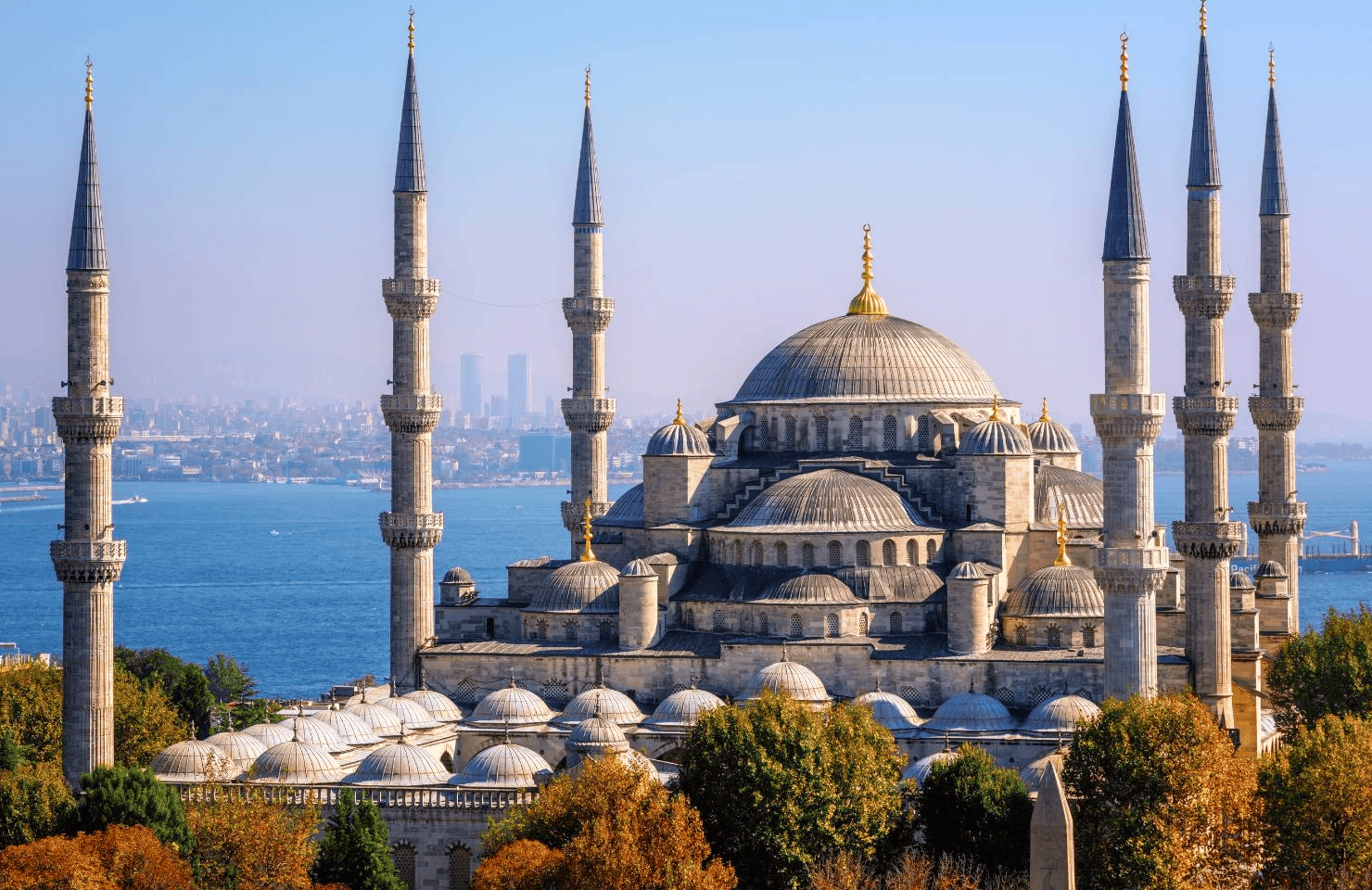
- Blue Mosque for its design and scale
- Topkapi Palace for Ottoman heritage
- Basilica Cistern for a unique underground experience
Arriving early improves the experience at popular landmarks.
Exploring Istanbul’s Markets and Bazaars
Markets are central to daily life in Istanbul and offer insight into local culture.
- Grand Bazaar for traditional shopping
- Spice Bazaar for food and aromas
- Neighborhood street markets for authenticity
Browsing slowly and engaging with vendors enhances the experience.
Getting Around the City
Istanbul’s size makes transportation an important consideration.
- Trams for historic areas
- Ferries across the Bosphorus
- Metro lines for longer distances
- Walking in compact neighborhoods
Using ferries also provides scenic views of the city.
Food and Dining Culture
Istanbul’s cuisine reflects its cultural diversity and history.
- Street food like simit and kebabs
- Traditional meze dishes
- Turkish breakfast spreads
- Tea and coffee culture
Eating across different neighborhoods reveals regional influences.
Best Time to Visit Istanbul
Weather and crowd levels vary throughout the year.
- Spring and fall offer ideal temperatures
- Summer can be hot and crowded
- Winter is quieter but cooler
Each season offers a different atmosphere.
Final Thoughts
Istanbul is a city that rewards curiosity and patience. By embracing its contrasts and allowing time to explore both historic and modern sides, travelers gain a deeper appreciation for one of the world’s most dynamic cities.